
|
|
|
|
Across the Ocean
Virginia and Massachusetts
|
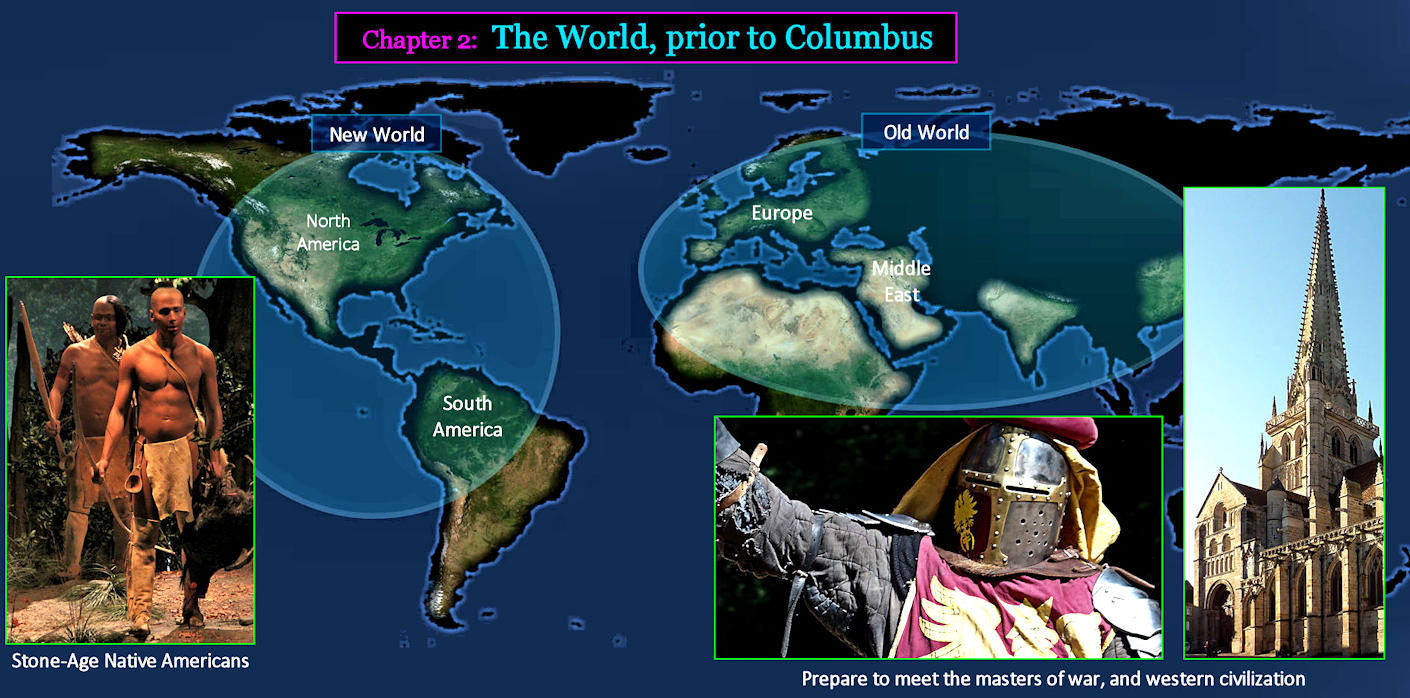
While the Spanish are busy extracting vast amounts of gold and silver from Mexico and South America, the English are searching for similar riches in North America. They choose two locations to try to establish permanent colonies.
Virginia, located halfway down the Atlantic Coast, is the first site to be chosen by the English for settlement. Two initial settlement attempts fail, however, as settlers mysteriously vanish before re-supply ships can arrive.
The first successful settlement in Virginia comes 25 years later, at Jamestown. Colonists arrive in three vessels, funded by a group of wealthy London merchants who are given a monopoly on the region by the King.
A dozen years later, another group of colonists takes a more northerly route. Less well financed, it only manages to get a single ship to Massachusetts. It's the tiny Mayflower, crammed with 100 eager, but nervous settlers.
|
|
|
|
Jamestown and Plymouth
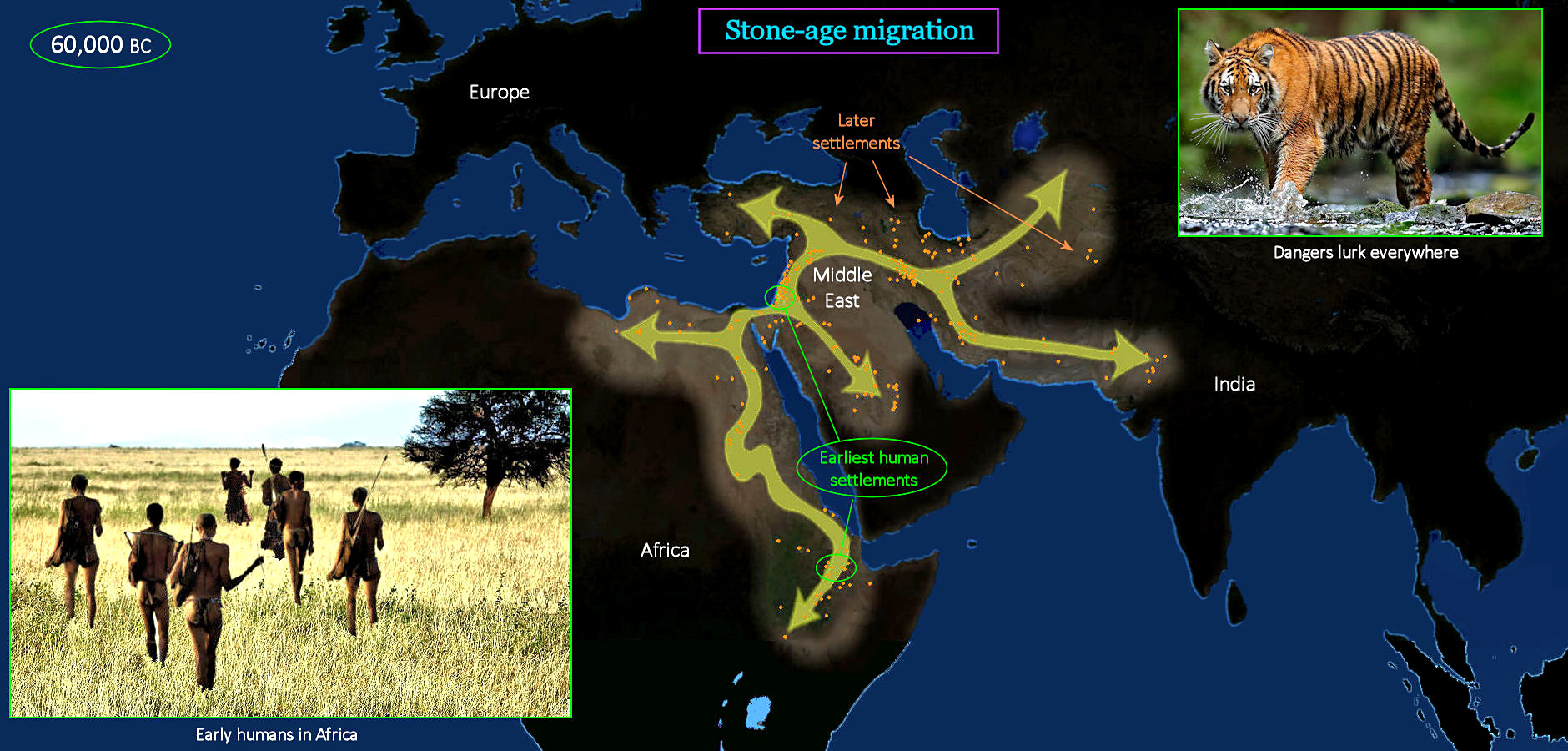
Colonies are usually established in the hope that settlers will be able to send raw materials back to the mother country. The first English colony is established during the very early 1600s, in Virginia. It is not re-supplied for three years, and almost collapses. Of the 500 original settlers, barely 50 survive. A second colony is established in Massachusetts, arriving at a site very far from the intended destination, in early winter. There is little time to set up shelters, and half die before the first re-supply ship arrives.
|
|
|
| |
|
|
|
|
Settlers and Indians
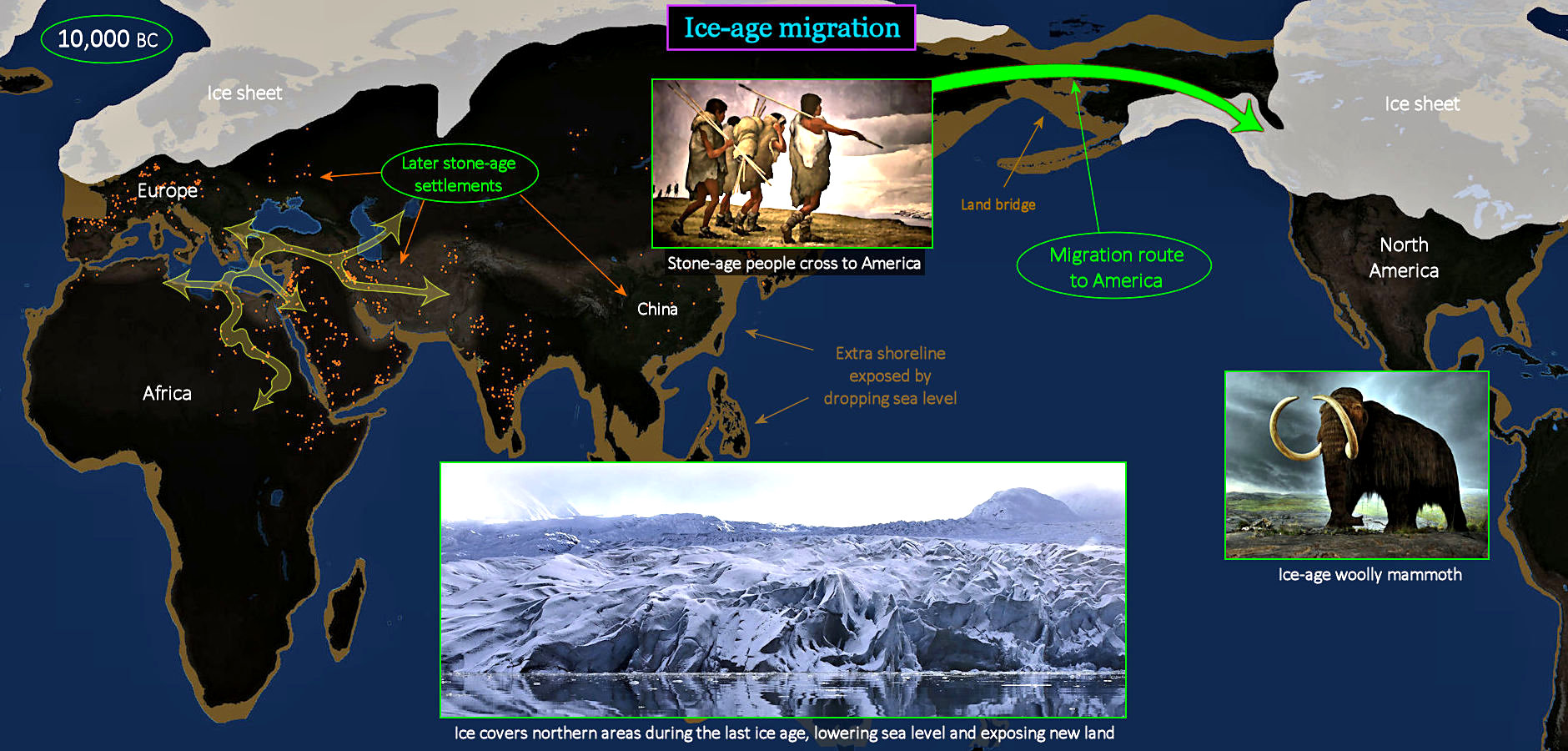
The expedition heading for Virginia departs in early winter, taking a long, round-about southern route that lasts four months, including two rest stops along the way, and arrives in the spring. The colony starts off well enough, but settlers expect to be able to trade with the Indians for the food they will need. The Indians eventually turn hostile, however, and delays in the first re-supply mission lead to what survivors call 'The Great Starving Time.' When more ships finally do arrive, they bring mostly more settlers, with little additional food or supplies. English investors, it seems, are more interested in growing their colonies, than keeping them supplied. Existing settlers are expected to fend for themselves.
|
| |
|
|
|
|
Getting to Plymouth
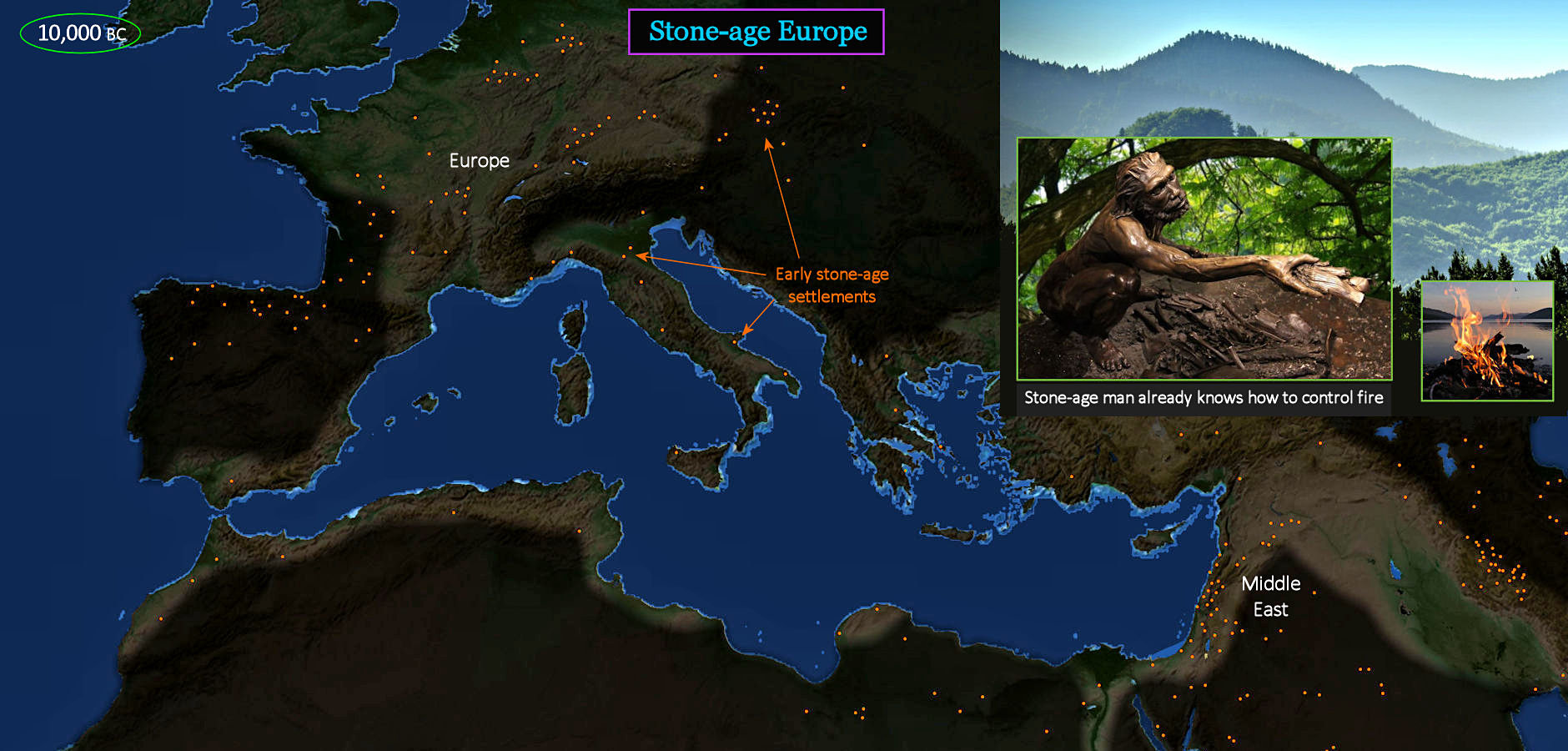
The Pilgrims heading to America have a similarly rocky start. They have been granted permission to settle along the Hudson River, in New York but are forced to change course by treacherous currents near the entrance to Long Island Sound. They finally decide to land at a shallow harbor which the Indians have recently deserted, due to disease brought by earlier European fishermen. It is already December, so most Pilgrims return to the Mayflower each night, for protection, until the following spring. When a re-supply ship finally arrives, in late fall, it brings a fresh load of settlers, but few extra supplies.
|
| |
|
|
|
|
Stowage for the Journey
This view shows the typical layout of merchant vessels bringing early settlers to America. Being a simple cargo vessel, it isn't intended to carry any passengers at all, and certainly not women or children. The top deck is used by the crew to manage the sails, and by passengers whenever conditions permit. During bad weather, passengers are forced to remain below, on the cramped gun deck, and anywhere else where they can find space. Supplies, gear and building materials for homes are stowed in the hold, just above the keel. The rudder (which controls direction) is operated from the deck above, by means of a long curved tiller.
|
| |
|
|
|
|
Cramped Quarters
The Mayflower, which brings the Pilgrims to Massachusetts, is positively crammed with passengers. It's hard to imagine how 130 people (including the crew) manage to find room aboard this small vessel for what will become a three-month journey. The expedition actually starts with two ships, but one turns out to be unseaworthy, and has to be left behind. This means that all the cargo and passengers on that vessel have to be transferred to the Mayflower. People sleep anywhere they can, with no privacy at all, while food is prepared using a simple brick-lined fireplace (shown at lower right). Despite the cramped quarters, however, the Pilgrims manage to keep up their spirits.
|
| |
|
|
|
|
Settlers Prospects
When settlers finally arrive in America, their real journey is just beginning. The small boat shown at lower left, which is needed even to get to shore, has to be assembled from pieces stowed in the hold for the voyage, along with lumber to erect the first cottages. The captain's cabin (shown at right) is where the original Pilgrims signed the document that they hoped would give them legal title to the land they were about to inhabit, despite the fact that the royal charter for their colony specified a quite different location. The document is called the 'Mayflower Compact,' setting forth the Pilgrim's intention to establish a proper God-fearing settlement, in 'submission and obedience'.
|
| |
|
